



International Women’s Day 2026 reinforces a powerful global commitment to gender equality, women’s leadership, economic inclusion, digital empowerment, climate justice, and freedom from violence. The contemporary vision emphasizes equal opportunities in education, employment, and governance; financial independence; access to technology; recognition of unpaid care work; and women’s leadership in sustainable development. The message is clear: empowering women is central to building resilient and progressive societies. The roots of women’s empowerment in India stretch back to ancient times. During the Vedic period, women enjoyed significant respect and autonomy. They had access to education, participated in philosophical debates and religious rituals, and in certain contexts held property rights. Women scholars such as Gargi and Maitreyi symbolized intellectual freedom and social recognition. However, over time, patriarchal norms became more rigid. Practices such as child marriage and purdah gained prominence, restricting women’s mobility, education, and participation in public life. Thus, a society that once recognized women’s agency gradually imposed limitations that affected their status for centuries. In modern India, despite substantial progress, multiple challenges persist. Violence against women—ranging from domestic abuse and sexual harassment to trafficking and cybercrime—continues to threaten safety and dignity. Economic inequality remains visible in wage gaps, low workforce participation, and limited access to assets and credit. Educational barriers, particularly dropout rates among girls and the digital divide, restrict future opportunities. Health concerns such as maternal risks, anemia, and inadequate reproductive care further deepen vulnerability. Social norms including early marriage, son preference, and the disproportionate burden of unpaid care work continue to reinforce inequality. Women also remain underrepresented in political and corporate decision-making bodies. To address these concerns, India has established a strong constitutional and legal framework. The Constitution guarantees equality before the law, prohibits discrimination, and upholds the right to life with dignity. Reservations in local governance have enhanced women’s grassroots political participation. Specific laws address domestic violence, workplace harassment, dowry practices, child marriage, maternity benefits, equal remuneration, and gender-biased sex selection. While these provisions demonstrate institutional commitment, effective implementation and public awareness are essential to translate rights into reality. The needs of the hour demand a multi-dimensional approach. Economic independence through skill development, entrepreneurship, and access to land and credit is foundational. Ensuring universal secondary education, digital literacy, and participation in science and technology sectors will equip women for emerging opportunities. Strengthening safety mechanisms, fast-track justice systems, and safe public infrastructure is critical. Comprehensive healthcare, including nutrition, reproductive services, and mental health support, must be prioritized. Promoting women’s leadership and fostering gender-sensitive social attitudes through education and community engagement are equally important. Empowerment begins at home and expands outward. Families must treat sons and daughters equally and share domestic responsibilities. Communities can support self-help groups and awareness initiatives. Institutions must ensure safe and equitable workplaces. Governments must enforce laws effectively and invest in gender-responsive policies. Individuals can challenge stereotypes and actively support women’s advancement. Women’s empowerment is not merely a matter of justice; it is the cornerstone of sustainable development. A nation thrives when its women are educated, safe, economically independent, and represented in leadership. International Women’s Day 2026 calls for collective action to ensure that equality is not symbolic but transformative—creating a future where every woman lives with dignity, opportunity, and freedom.
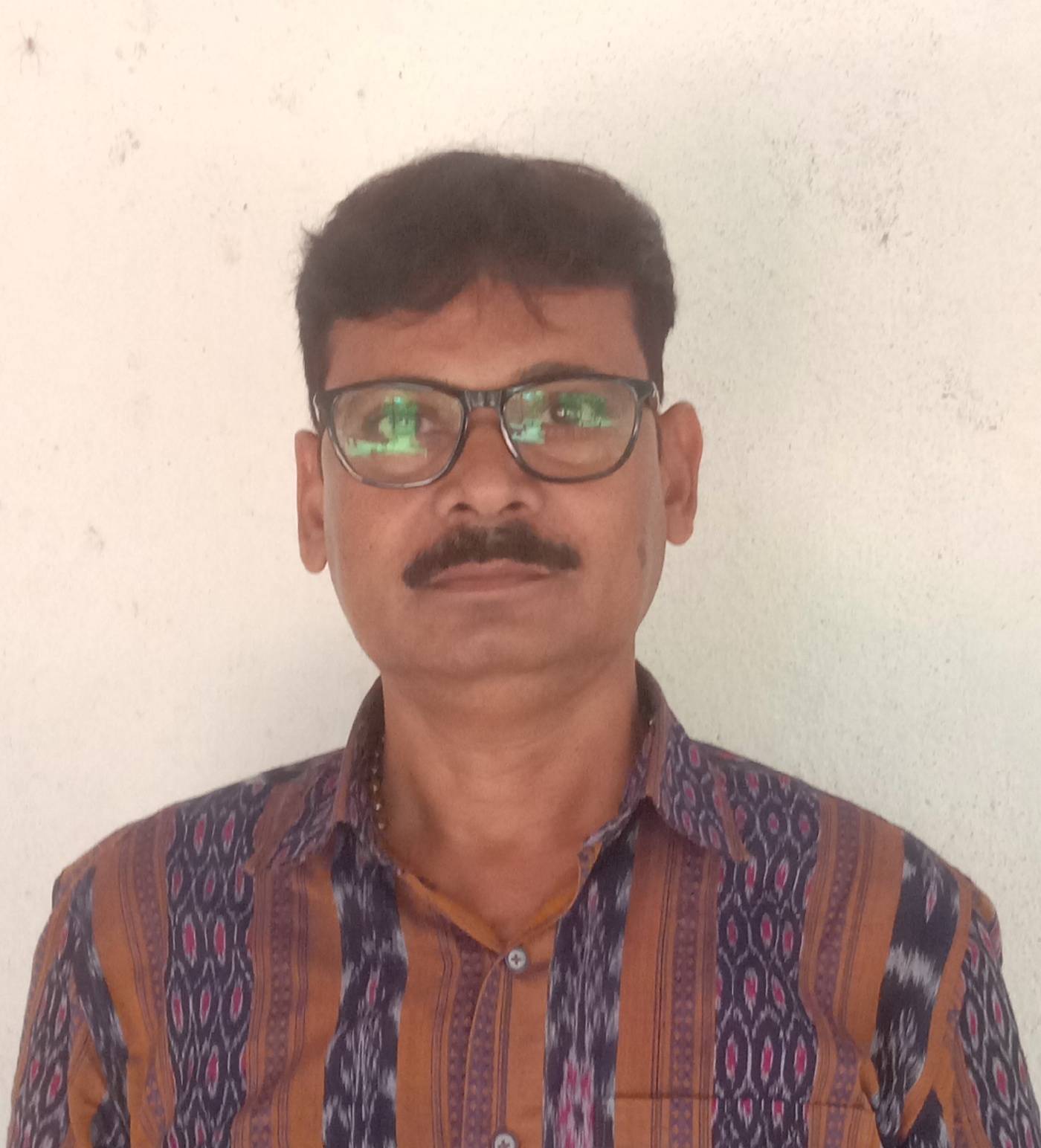
Nandi Kishor Sandh,Senior Development Consultant
At/P.O.:-Salepali,Via-:- Jarasingha,Dist.:- Balangir (Odisha),PIN-767067
Mobile:-9668632200